
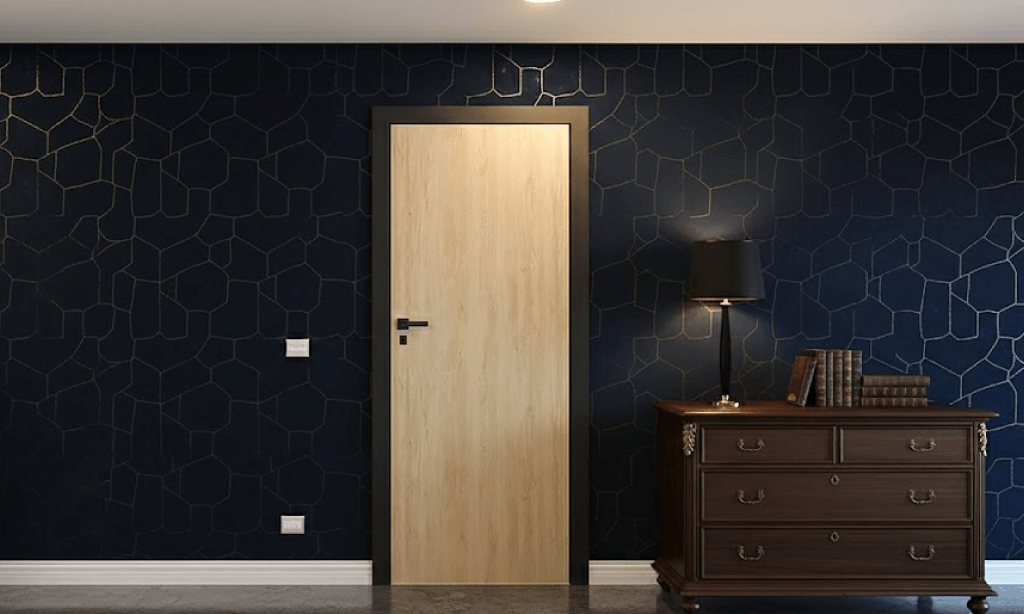
Visual elegance is often considered to be about excess or in interior designing, but it isn’t true. Precision is one of the most important aspects when it comes to visual elegance, and this is often ignored when it comes to doors that are often treated as secondary aspects when it comes to interior designing than as a main element. Doors play an important role in not just separating interior and exterior space, but also defining how a space looks and feels. When front door design are not cohesive in nature, with less emphasis on detailing, even the best of interior décor effort can do the intended impact.
Some of the common mistakes in door design result in issues like visual clutter, misalignment, noise, or compromised finishes over a period of time Let us see what are these common mistakes and its impacts.
Treating doors as standalone elements
One of the most common mistakes one makes is treating doors as a separate element and not as part of the interior décor theme. At Wesmarc, we believe doors are meant to be integrated assemblies as a cohesive system that offers leaf, frame, hinges, locksets, seals, and finishes – all as a part of engineered, factory finished doors. These doors are also meant to be designed in sync with the interior décor theme, blending with the walls, flooring, or joinery. The presence of inconsistent gaps, visible hardware, or mismatched profiles can affect the overall rhythm of interiors, appearing out of place. This mistake is more noticed when it comes to front door design. This lack of system-based thinking often becomes more evident when different door types—such as entrance doors, internal partitions, and garage door designs—are approached independently instead of following a unified design language.
Visible hardware breaking clean surfaces
Another important design issue often seen is the over exposure of hardware. It is recommended to go for concealed hardware as it results in uninterrupted door surfaces and flush finishes. The presence of visible hardware, uneven fittings, or protruding elements can affect the visual plane of the door. Luxury interior door design depends on even finishes with controlled detailing, keeping attention to the craftsmanship of the doors than towards hardware. This is more ideal in contemporary homes where doors are expected to fit effortlessly with the interior design. When implementing engineered wood interior doors, the focus must be on maintaining continuity in wood grain texture and patterns without compromising finish quality and alignment an approach often seen in the Top 10 Trending Main Door Decor ideas.
Ignoring long-term alignment and adjustment
When planning the design of a door, keep in mind the long term function and performance of the door, then just look at visual appeal. Ensuring the doors are crafted with proper alignment at the time of installation prevents sagging, bending or cracking of the door. Make sure to check for uneven margins, inconsistent closing at the start to prevent any long term issues. Luxury homes are not about just visual appeal, but about stability, comfort, durability and longevity with effortless operation of doors in everyday use. Not only for main doors, make sure to follow these rules even in custom wardrobe doors that are opened and closed several times a day.
Overlooking acoustic and tactile experience
Luxury is not only visual—it is experiential. Doors must come with extruded acoustic seals and engineered systems that ensure there is no transmission of sound across the door increasing privacy in the space. Not only this, these features also allow for smooth, quiet operation of the door.
Luxury homes feel refined when doors:
- Maintain clean, uninterrupted surfaces
- Align consistently with walls and joinery
- Operate quietly and smoothly
- Retain alignment over long-term use
- Follow a unified design language throughout the space
Doors do more than separate spaces—they shape how a home is experienced every day. When design mistakes creep in, even subtle ones, they dilute the sense of luxury the architecture intends to convey. Precision, integration, and restraint are what keep premium homes from looking ordinary.
Frequently Asked Questions
1. Why does poor door design affect the overall look of a luxury home?
Because doors are large, frequently used architectural elements, any misalignment, visible hardware, or inconsistency becomes noticeable over time. When doors are not integrated as part of a complete system, they disrupt visual continuity and reduce the sense of refinement.
2. How can visible hardware make doors look ordinary?
Visible hardware and fittings interrupt clean door surfaces. Concealed systems allow uninterrupted planes and flush finishes, keeping attention on the door’s form, finish, and alignment rather than on mechanical components.
3. Why is long-term alignment important in door systems?
Adjustable door systems are apt for use as they allow post-installation corrections. Without this, doors may sag or lose symmetry over time, which affects both function and visual balance—key aspects of luxury interiors.
4. Do sound and movement really influence how premium a door feels?
Yes. engineered acoustic seals and controlled movement contribute to quiet, smooth operation. Noise, harsh closing, or resistance during movement can make even well-finished doors feel less refined.
5. Why should different door types in a home follow the same design logic?
Consistency across entrance doors, internal doors, wardrobes, and service areas ensures visual harmony.

