
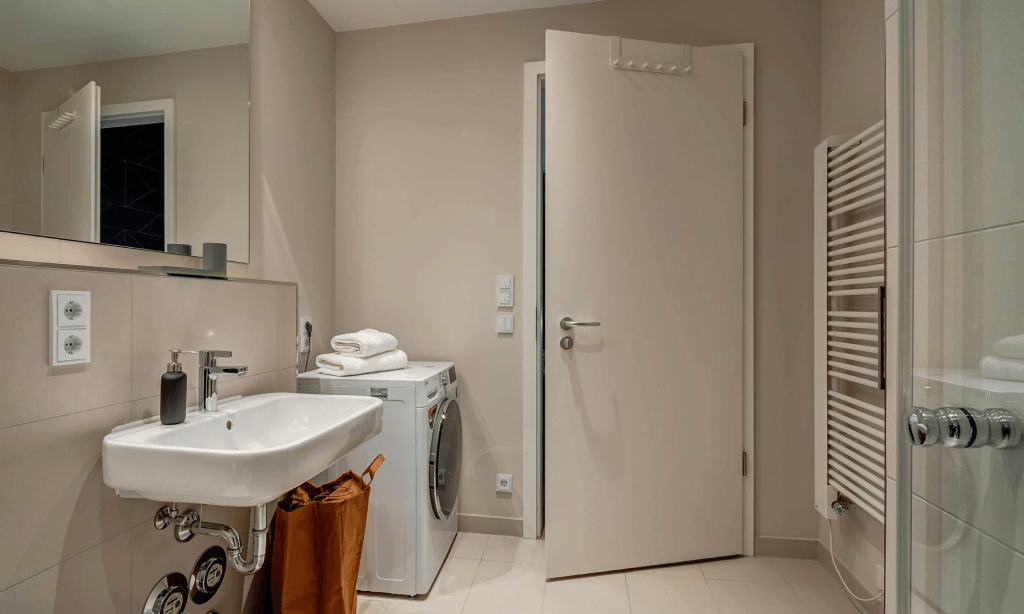
Bathroom doors are commonly affected in Indian homes where one can observe swelling, peeling, and fungus on the doors with constant presence of moisture. This is where comes the need to follow certain bathroom door waterproofing tips that include the use of premium engineered materials, edge band sealing, use of door protection to significantly enhance durability and performance. Solutions offered by Wesmarc Doors are designed keeping such high-moisture Indian conditions in mind, ensuring better resistance and long-term performance.
Why Indian Bathroom Doors Fail — Top 5 Causes
Bathroom doors often are damaged the most because of continuous exposure to water, steam, and trapped humidity. With inadequate surface protection offered, even the most visually appealing doors can deteriorate over a period of time. Here are few bathroom door waterproofing tips one can follow:
- Water splashing at the bottom 6 inches: The presence of a wet zone in the bathroom near the shower is responsible for seepage of water into the door.
- Lack of ventilation: Bathrooms that do not have exhaust fans or dry area space to open into trap humidity, resulting in swelling and fungal growth in doors.
- Wrong material choice: It is ideal to go for premium engineered wooden waterproof bathroom door India in place of solid wood, ply or particle board in bathrooms.
- Unsealed edges: Unsealed edges is one bathroom door swelling solution to be followed along with edge band sealing and proper core protection.
- Low-quality finishes: Poor quality of paint or laminate can peel and requires a reliable bathroom door peeling fix.
Best Water Resistance Materials for Bathroom Doors
When exploring the right choice of material for a bathroom, here’s a quick guide to pick the best waterproof door for bathroom use:
| Material | Water Resistance | Durability | Maintenance |
| WPC | Excellent | 10–15 yrs. | Very Low |
| HDHMR | Very Good | 8–12 yrs. | Low |
| HDWR | Excellent | 10–15 yrs. | Low |
| PVC | Excellent | 8–10 yrs. | Very Low |
| Solid Wood | Moderate | 8+ yrs. | High |
From different materials available, premium engineered wood is recommended to learn why CPL veneer doors are suitable for bathrooms for a more detailed breakdown. This is more so in homes where water exposure is unavoidable. Proper surface finish, sealed edge banding and premium glue may be relatively cost effective and ideal in terms of better strength and aesthetics.
7-Step Bathroom Door Waterproofing Process
When planning to apply the right bathroom door waterproofing tips, one can follow the below steps to get the best out of bathroom doors:
- Stile and rail construction
Choose the right engineered materials for stile and rail construction to prevent water absorption. - Selection of water adhesives
Select application-specific adhesives designed for multi-layer bonding that provide durable water resistance across all layers. - Seal the bottom edge with PVC
The bottom end of a bathroom door is most vulnerable and it’s recommended to seal it to prevent absorption as part of bathroom door swelling solution. Using high-grade PVC or PU sealant enhances water resistance at the base. - Apply the right surface finish
Add PUR adhesive and water resistance CPL veneers / Thermo Decor Foils to provide a barrier against moisture and prevent peeling. - Install an hydroguard
A door bottom seal blocks water splashes, physical damages, water absorptions making it one of the most practical bathroom door waterproofing tips. - Apply silicone sealant on frame joints
Door fungus prevention also includes use of silicone sealant on edges to resist seepage through gaps. - Ensure proper ventilation
Provide a 6–8 mm gap at the bottom or install louvers to allow airflow. For more tips, refer to this guide on how to prevent moisture damage in wooden doors.
Solid Wood Door vs Engineered Wood Door for Bathroom
When looking for the best waterproof door for bathroom, engineered wood doors are commonly preferred given the following attributes:
| Feature | Engineered Wood Door | Solid Wood Door |
| Water Resistance | Excellent | Moderate |
| Strength | High | Low |
| Look & Feel | Wood-like premium | Premium |
| Longevity | 15–20 years | 8–10 years |
Engineered wood doors are recommended if one is looking for durability and visual appeal which are effective for moisture proof door treatment in Indian homes
Following a few simple bathroom door waterproofing tips like sealing edges, choosing moisture-resistant materials like HDHMR, HDWR, CPL Veneer, PUR Glue, Edge sealings and water sealants which helps prevent warping, seepage, bending, bulging in bathroom doors. Explore Wesmarc Doors that offer the best waterproof door for bathroom that are durable, functional, visually appealing without compromising on performance even when exposed to moisture.

