
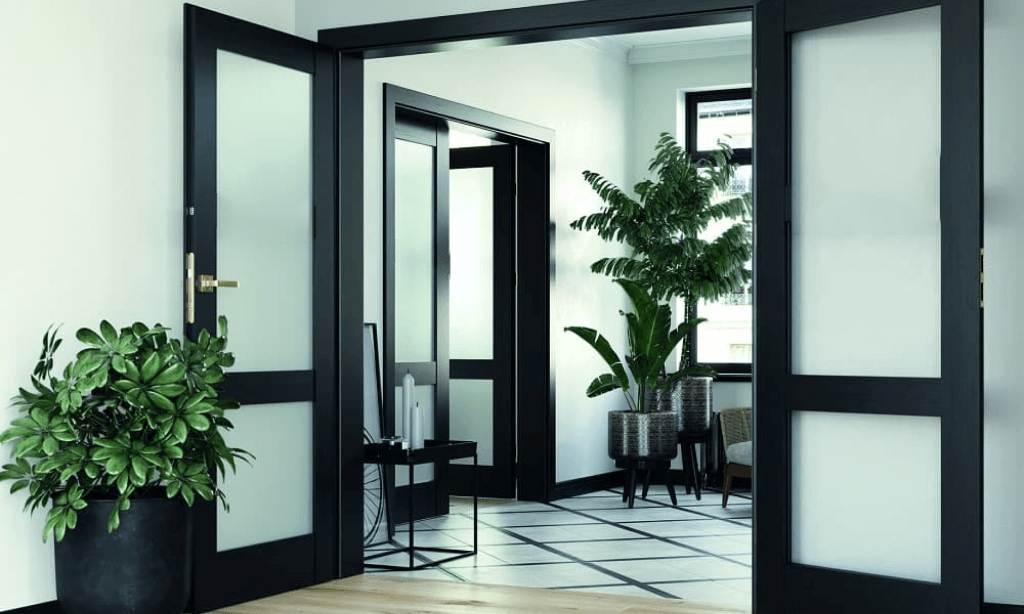
Choosing the right door color is more than a visual decision. It affects how a space feels, how large or intimate it appears, and how well different design elements come together. Be it the entrance of your home or some door within your living space, colour quietly plays a powerful role. Considering the variety of door colour ideas available today, one key question often weighs on the minds of homeowners and designers alike – dark or light coloured doors-which is better? This depends on the available space, lighting, usage, and also the mood you want to establish. Understanding the behaviors of dark and light door colours can help you decide on a color, especially when paired with quality craftsmanship such as that offered by Wesmarc.
The Appeal of Dark Door Colours
Dark colors of the door will create an impression of depth, strength, and sophistication. Deep walnut, charcoal, espresso, or dark grey gives the room a sense of solidity. Similar tonal preferences are also seen in contemporary engineered door finishes such as Dark Oak, Stained Walnut, Nero Notte, and Amber Lux Rosewood, which exude a sense of sophistication, modernity and depth. They are especially effective in interiors trying to create a bold or grounded atmosphere. In larger houses, or rooms with plenty of natural light, dark doors make strong visual anchors. They provide contrast against lighter walls and flooring, giving definition to boundaries and architectural lines. This is perhaps why dark shades are popular among those seeking timeless front door colour ideas, since a darker entrance often feels weightier and more inviting.
The Simplicity of Light-colored Doors
Light-colored doors introduce a completely different character into interiors. Whites, off-whites, soft greys, and light wood tones evoke openness and ease. In the same spectrum, finishes like White Ash, Bianco Puro, and Natural Oak are increasingly chosen for their ability to brighten interiors while retaining a warm, natural feel.
They reflect rather than absorb light, making spaces feel larger and brighter. Light-coloured doors do their magic most when it comes to smaller homes, apartments, or places that barely receive daylight. Choosing the right room door colour that blends smoothly with the wall and ceiling provides seamless visual flow between rooms. For subtle and versatile options, lighter hues often feel like a safe yet elegant choice when considering room door colours among homeowners.
Another advantage with light doors is their versatility: they comfortably sit across changing interior styles, from furniture to decor to accent elements that may evolve without clash. This makes them practical for homes that may see design updates over time.
How Space and Lighting Influence Choice
The size of the room is also very important when deciding between dark and light-colored doors. Where darker doors can add warmth and definition in large interiors with higher ceilings, lighter shades are ideal.
Lighting plays an important role too when thinking of door colour ideas. Well-lit rooms can pull off very dark shades without feeling dark; artificial lighting can also be layered to emphasize dark doors and mute their impact. Less well-lit rooms tend to be better balanced with lighter-colored doors that reflect what little light there is.
Matching Door Colors with Interior Style
Interior style strongly dictates which color works best on the door. Modern, minimal interiors often use light or neutral-colored doors that maintain clean lines of sight. These doors provide the perfect backdrop to let architectural details shine along with furniture, adding visual interest without cluttering the space. Darker door colors can be found in use for more dramatic or contemporary interiors where contrast and layering are important. When used thoughtfully, dark doors heighten textures and finishes, notably in concert with subtle hardware and clean profiles. For those who might be looking to decide on room door colours, it becomes important to think of the door not in isolation but as part of a bigger palette that involves walls, floors, and furnishings.
Choosing Colours for the Front vs Interior Doors
Front doors and interior doors differ in the purpose they serve. An entry door sets the tone for the whole house. When thinking about front door color ideas, many people opt for richer or darker tones of colors since it gives them a sense of security and permanence. Interior doors, however, tend to be more about flow and harmony. Lighter colours can often be chosen to ensure continuity between rooms visually, while panelled types can be made darker for areas such as studies or private rooms where the feel of being enclosed is desired.
Finding the Right Balance
There is no hard-and-fast rule that says dark doors are better than light ones, or vice versa. The best choice is in balance. Some homes incorporate both with wonderful success, using darker doors for entrances or focal points and lighter shades for interior rooms. This adds layers and visual interest without overwhelming a space. Many homeowners achieve this layered look with thoughtfully chosen Wesmarc doors, adding depth and character without overwhelming the design.
Ultimately, the door colour ideas should support how one wants the space to feel on a daily basis. Anything from the quiet elegance of light tones to the confident presence of darker shades is fitting, really-so long as it aligns with your lifestyle, space, and design vision. Dark or light, both can be real showstoppers in interior design if thoughtfully selected with regard for context, proving the right color is not about trend but about intention.

